
Innovation is what’s building the shared culture between the UK and Ukraine
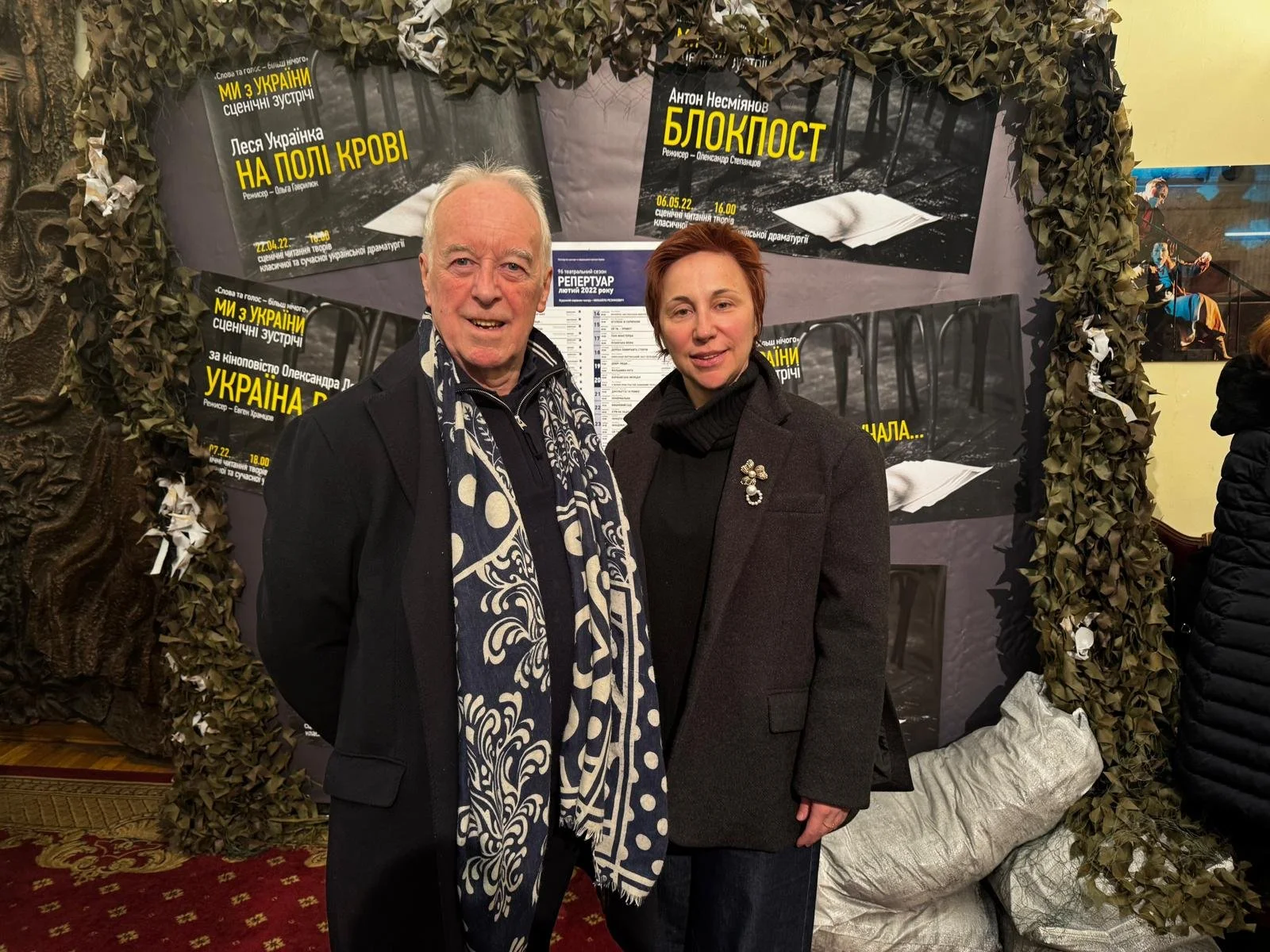
Helen and Stephen Clarke, founders of the Oxbridge Foundation, speaking to Armia FM about Ukrainian-British educational bootcamps and cultural cooperation between the UK and Ukraine
Interview with Helen Clarke, Founder of the Oxbridge Foundation
Armia FM · Published 11.09.2026
Helen Clarke is the co-founder of the Oxbridge Foundation educational trust, which supports Ukrainian students and teenagers whose studies have been disrupted by the full-scale war. Born in Zolotonosha, Cherkasy region, she now lives and works in Oxford. In an interview with Armia FM, Helen Clarke spoke about educational bootcamps for Ukrainian youth, collaboration with British universities and researchers, opportunities for advancing Ukrainian technologies, and the role of culture and Ukrainians in Britain as cultural ambassadors for Ukraine.
— Helen, you were born in Zolotonosha, a town with a fascinating history. When you reflect on the Cherkasy region and the views across the Dnipro, what from those childhood memories continues to inspire your work for Ukraine here in Britain?
— Thank you. I miss the vistas of the Dnipro deeply. I truly do. Paradoxically, my childhood was spent right at an intersection of two worlds: on the one hand, the panoramas of the Dnipro, music, composers, and gifted, creative minds; on the other, members of the military, who were also present in my family. That is why, when the war broke out, my husband and I began working both with creative individuals and with the military. It is an intensely emotional journey: on one side lie philosophical reflections on one's homeland, and on the other, the structure and discipline necessary to sustain you through such challenging times. And so, that is the reality we live in today. Maintaining this connection with Ukrainians is vital to us. We visit Ukraine regularly and hope the war will come to an end — hopefully soon. Above all, we want to continue discussing how we can further support and sustain Ukraine.
— Oxford today is a major hub of scientific innovation. How does the Oxbridge Foundation help Ukraine transition from being merely a consumer of Western technologies to a full-fledged co-developer alongside British partners? Could we explain a little more to our listeners about the organisation itself?
— You see, Britain has enriched itself not merely through capital, but through the tradition of investing that capital in people. We live in Oxford and work collaboratively with the University of Oxford. We see how their collegiate institutions have sustained themselves since the 13th century: how they invest, how they build collaborative ventures, and how they preserve their independence from transient political disputes. This is an essential philosophy that I hope we can cultivate in Ukraine as well.
Traditionally, Oxford colleges are founded on private donations, which are subsequently channeled into endowments. What is an endowment? It is a financial framework through which institutions — universities and charitable trusts, such as the Oxbridge Foundation, which I represent today — manage capital to secure a sustainable revenue stream over decades and centuries. Governments change and rhetoric shifts, yet institutions endure. They educate people and foster the culture that underpins a nation across generations.
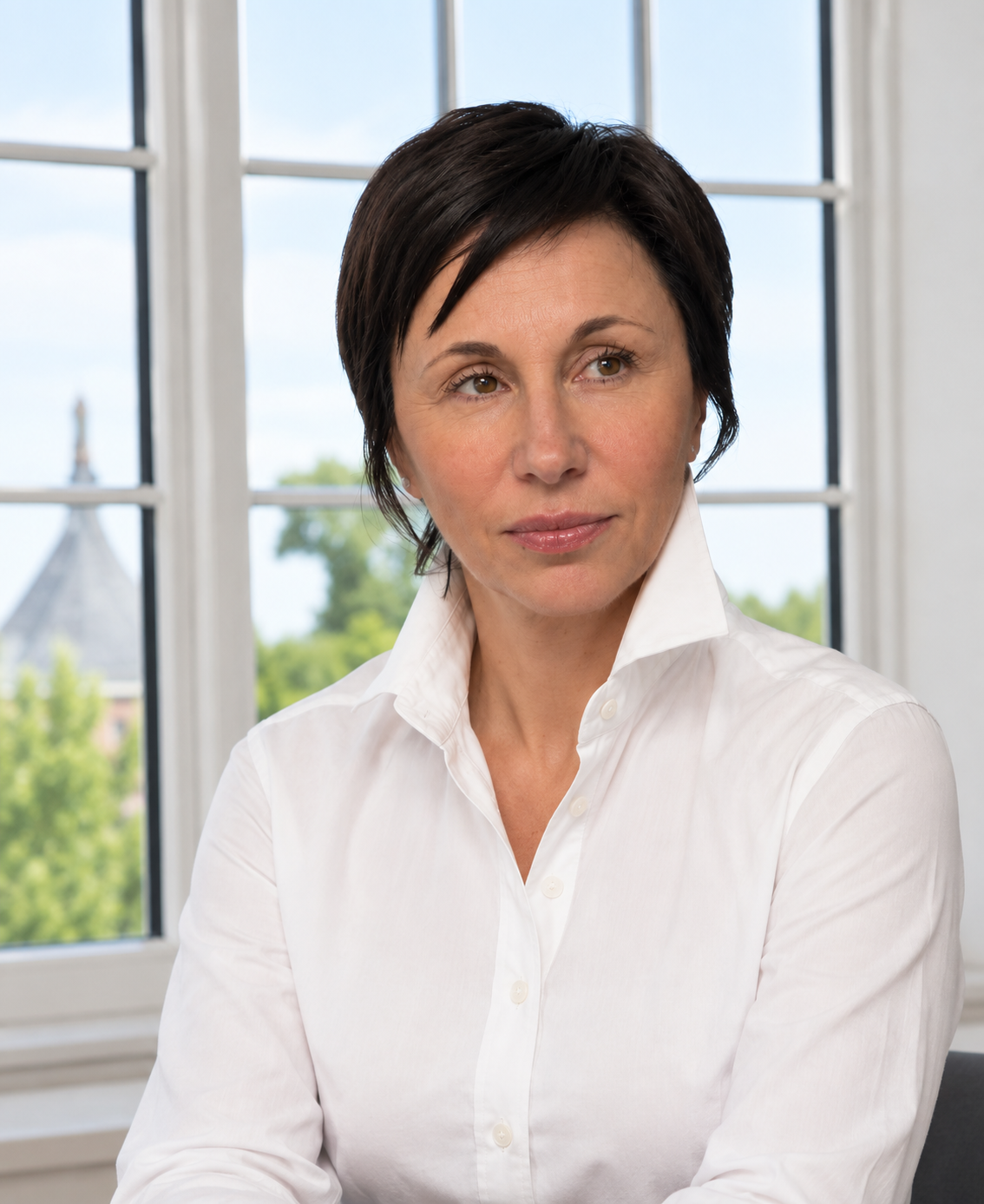
“The bootcamp model has already proven itself — Ukrainian students and British researchers solving real problems side by side, in five days. What we need now is investment to scale it, not as a favour, but as a partnership with a return.
I firmly believe this is a strategic mechanism, not a temporary one — the kind our ambassador talks about, that keeps delivering long after the headlines move on. That is exactly why Ukraine and Britain need to keep investing in it, together."
— Talented young people from Ukraine have already taken part in your bootcamps. Which technological fields are they focusing on, and what sponsorship opportunities are you currently exploring to scale these programmes?
— That is a crucial question, as technology today is moving at an extraordinary pace — and not only within the AI sector. For instance, over the past few years, Larry Ellison, the founder of Oracle, established an institute here that directs its funding into several key domains: biotechnology, ecology, sustainable agriculture, and capacity building. For this reason, we avoid limiting our scope to narrow specialisations.
The model behind these bootcamps is thoroughly tested: it has proven its worth across the United States and in Silicon Valley. When we invite students, we ask them to arrive with specific real-world problems that they must solve over the course of five intensive days. It is a highly effective model. We bring together researchers, industry experts, and students to work side by side. It connects theory directly with practice, delivering tremendous momentum and exceptional outcomes.
For example, across the bootcamps we have held so far, our cohorts comprised Ukrainian students alongside researchers from Oxford, Imperial College London, and Cambridge. What is wonderful is that the Ukrainian participants are exceptionally proactive and driven, injecting remarkable energy into the work. The university researchers, in turn, are world-class specialists who help the Ukrainian teams refine solutions, scale innovations rapidly, and ensure they are viable for international markets.
I firmly believe this model will deliver lasting benefits for Ukraine as a strategic mechanism. This directly aligns with the message our Ukrainian Ambassador, General Valerii Fedorovych Zaluzhnyi, emphasises: the importance of establishing robust, enduring mechanisms that deliver over the long term.
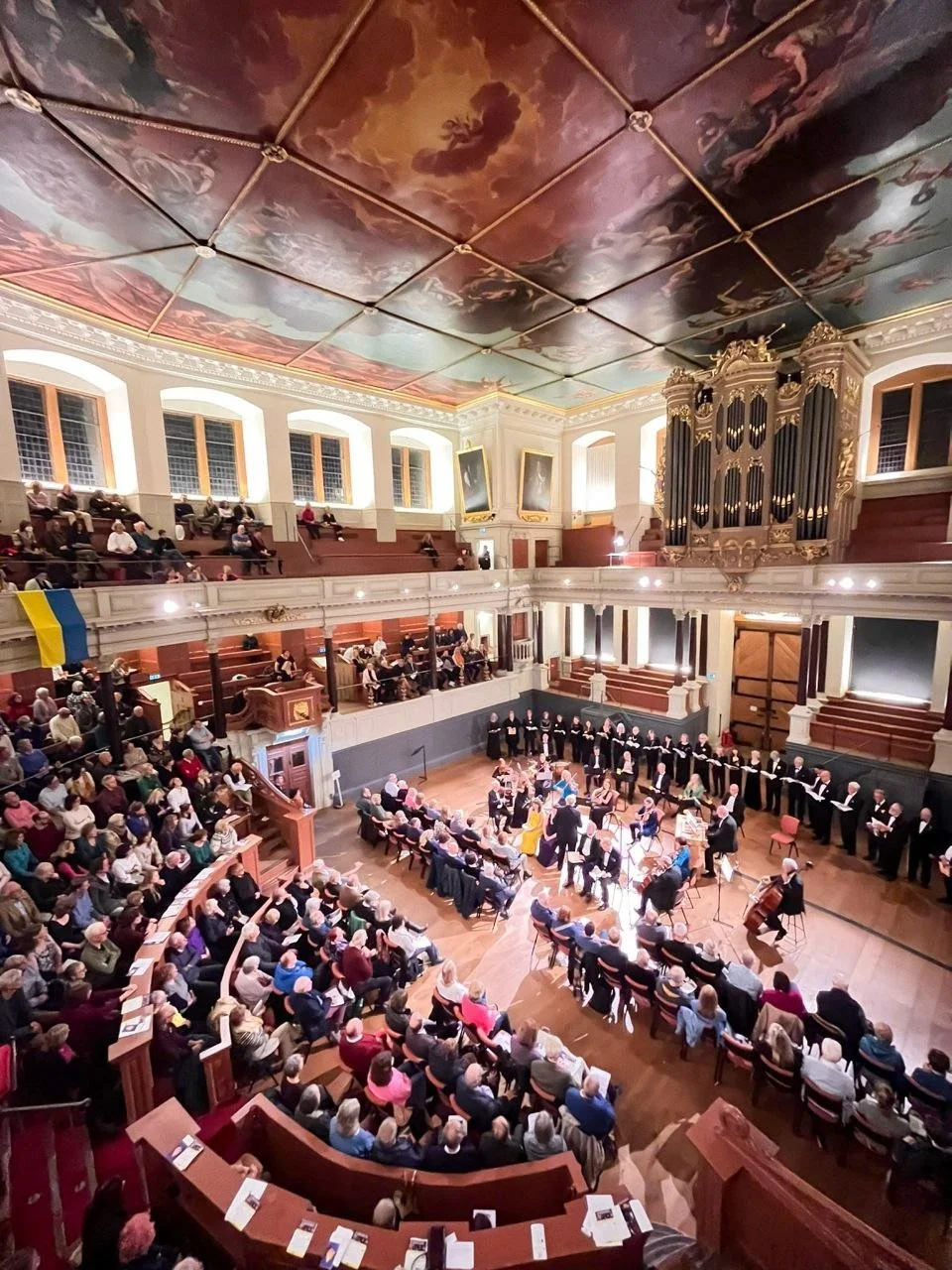
— In 2022, you and your husband, Mr Stephen Clarke, organised large-scale Ukrainian Cultural Weeks in Oxford. Many musicians stayed at your home, performed on stage, and subsequently returned to Ukraine. What significance does this cultural diplomacy hold for our two nations, and how much influence can culture truly exert?
— It is a vital question, because culture does not merely enrich; it provides profound meaning. Britain responded to the full-scale invasion with immense empathy and opened its doors. When we spoke with the British Ambassador, Martin Harris, at the time, he highlighted the initiative, saying: “We called the programme Homes for Ukraine.” People here were shaken by the brutality taking place.
We established the Ukrainian Cultural Weeks right at the start of the full-scale invasion precisely to showcase the brilliance and depth of Ukrainian culture. Composer Valentyn Sylvestrov visited, as did the Kyiv Chamber Choir. It was a major event that resonated deeply and captured wide public attention. We are keen to continue these cultural seasons.
Ultimately, culture is about people. These artists became our true ambassadors. For instance, we became close friends with Bohdana Pivnenko, a Taras Shevchenko National Prize laureate. Her son graduated from our college; he studied with us and truly became like family.
That reflects the genuine spirit of Homes for Ukraine, where Ukrainians and Britons are not just friends — we are building a shared culture. It is essential to sustain this momentum. It is encouraging that this work continues with the support of the British government, and now commercial institutions are joining as well. We are actively working to ensure that this extends beyond charitable relief into long-term strategic cooperation.
It was an honour to collaborate with such artists and composers. In fact, at the University of Oxford, composition is taught using the works of Sylvestrov. As we developed these cultural weeks, we realised just how deeply appreciated he already is within British musical circles. I sincerely hope that before long, we will regularly hear Ukrainian music across the BBC and at leading international cultural events.
Source: Armia FM, published 11.09.2026

Click the image to listen in Ukrainian