Port Infrastructure Protection Forum
Oxbridge Foundation organized The Port Infrastructure Protection Forum in London
Ports Infrastructure Protection
Ports are under threat.
Ukraine's experience, a new security architecture and the training of current Ukrainian/British professionals is the response.
April 29, 2026, London: the venue for dialogue that can no longer be postponed. The Port Infrastructure Protection Forum, with the participation of Oxbridge Foundation, International Humanitarian College London, Cherwell College Oxford, United Advisory Group, LAVR UK and supported by the Ukrainian Embassy in the UK: convened leading experts in maritime security, defense, international politics, education and industry.
One important question: is the critical port infrastructure of the world and the UK truly secure? The answer, voiced during four panel discussions, was unequivocal: no.
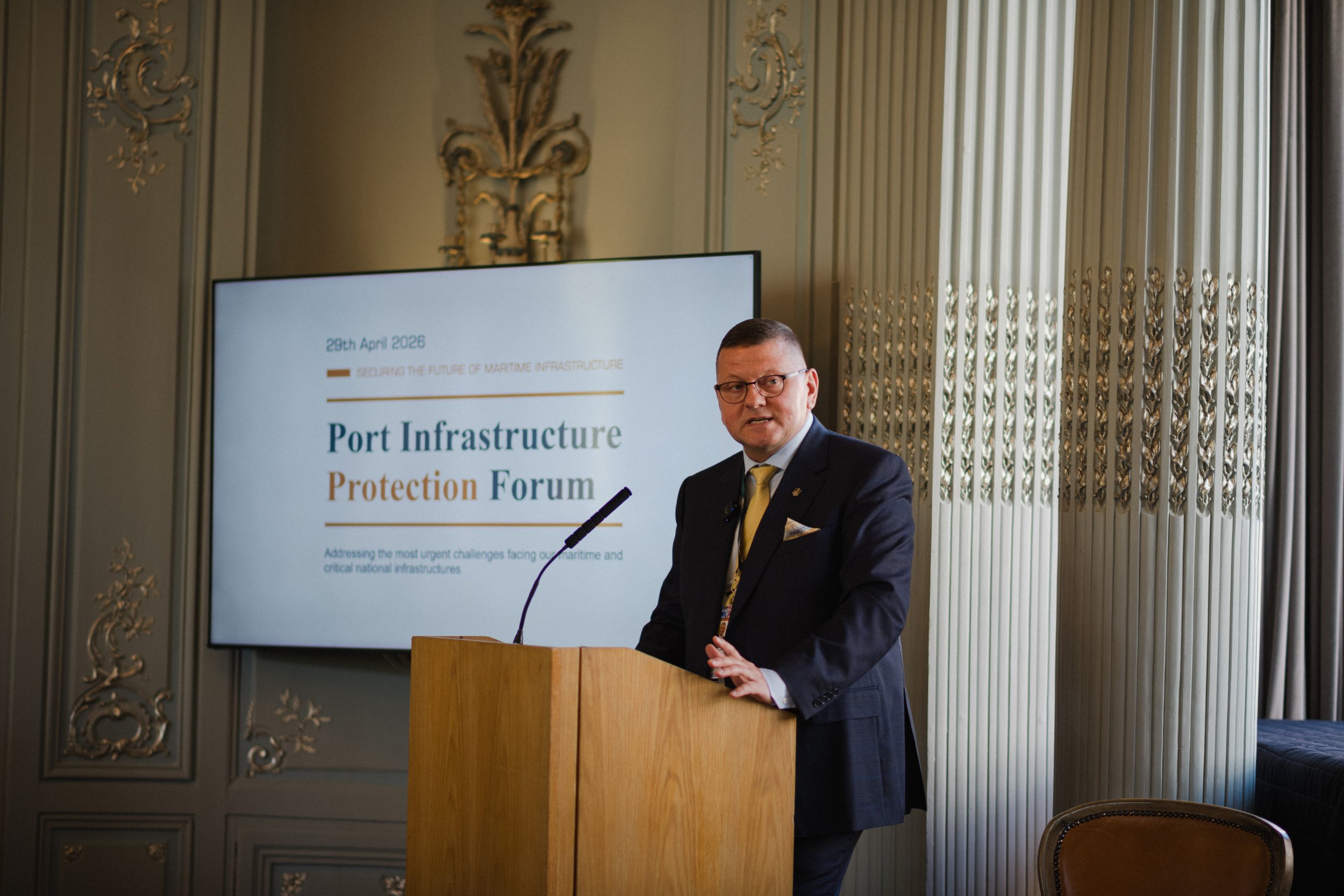
Ambassador General Valerii Zaluzhnyi at the Forum: A New Security Philosophy
The forum opened with His Excellency the Ambassador of Ukraine to the UK, General Valerii Zaluzhnyi. He outlined the new reality of global security: an aggressor does not need to win a "classical" war. It is enough to make the opponent's economic activity too risky and expensive.
“The cost of strategic strikes has become cheap. It is no longer about expensive cruise or ballistic missiles. Now cheap, scalable and accessible weapons systems can inflict significant losses on concentrated energy and logistical infrastructure.
Meanwhile, current air defenses are unable to protect against such attacks,” Zaluzhnyi stated.
Ports, terminals, energy processing plants, pumping stations and storage facilities:these key nodes of the global economy have become very vulnerable. This reality, Ukraine faces every day.
Thus, Ukraine's unique experience forms the basis for establishing a modern security architecture for the port infrastructure of the UK and Europe.
The Ambassador articulated three fundamental steps toward a new security architecture:
Acknowledge Reality — threats to ports are no longer theoretical.
Reconsider Globalization — the over-concentration of resources in one place, once an advantage, has now become a major vulnerability.
Act Quickly — the global system needs not just technical solutions but a change to outdated international rules and approaches to the infrastructure itself.
“History does not ask what voters want. It dictates the terms. Either you pay for your economy, or you become part of someone else's,” concluded the Ambassador.
Ukraine has already gained unprecedented experience: defending and striking critical infrastructure elements amid a full-scale war— Ukraine is ready to share this with allies.
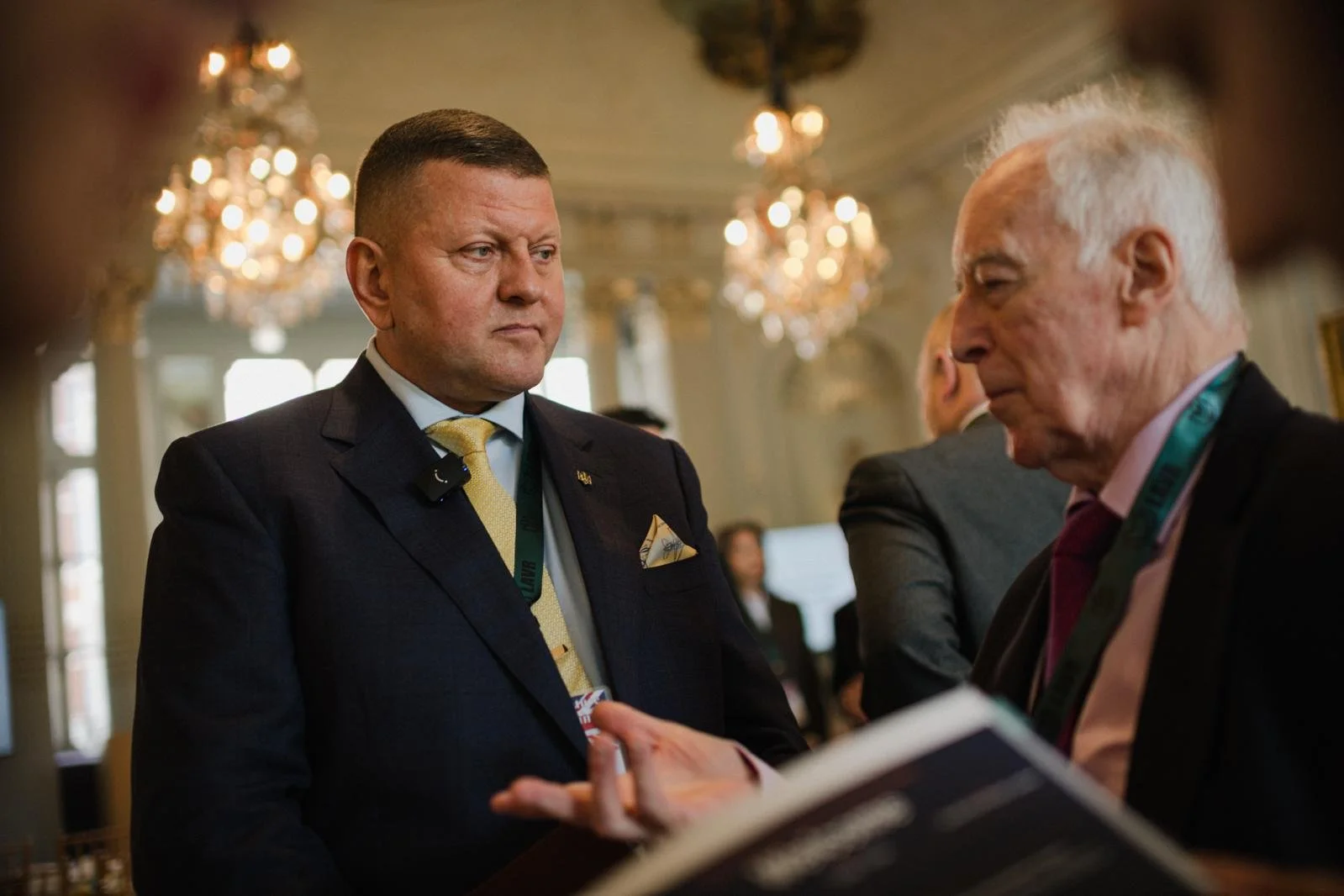
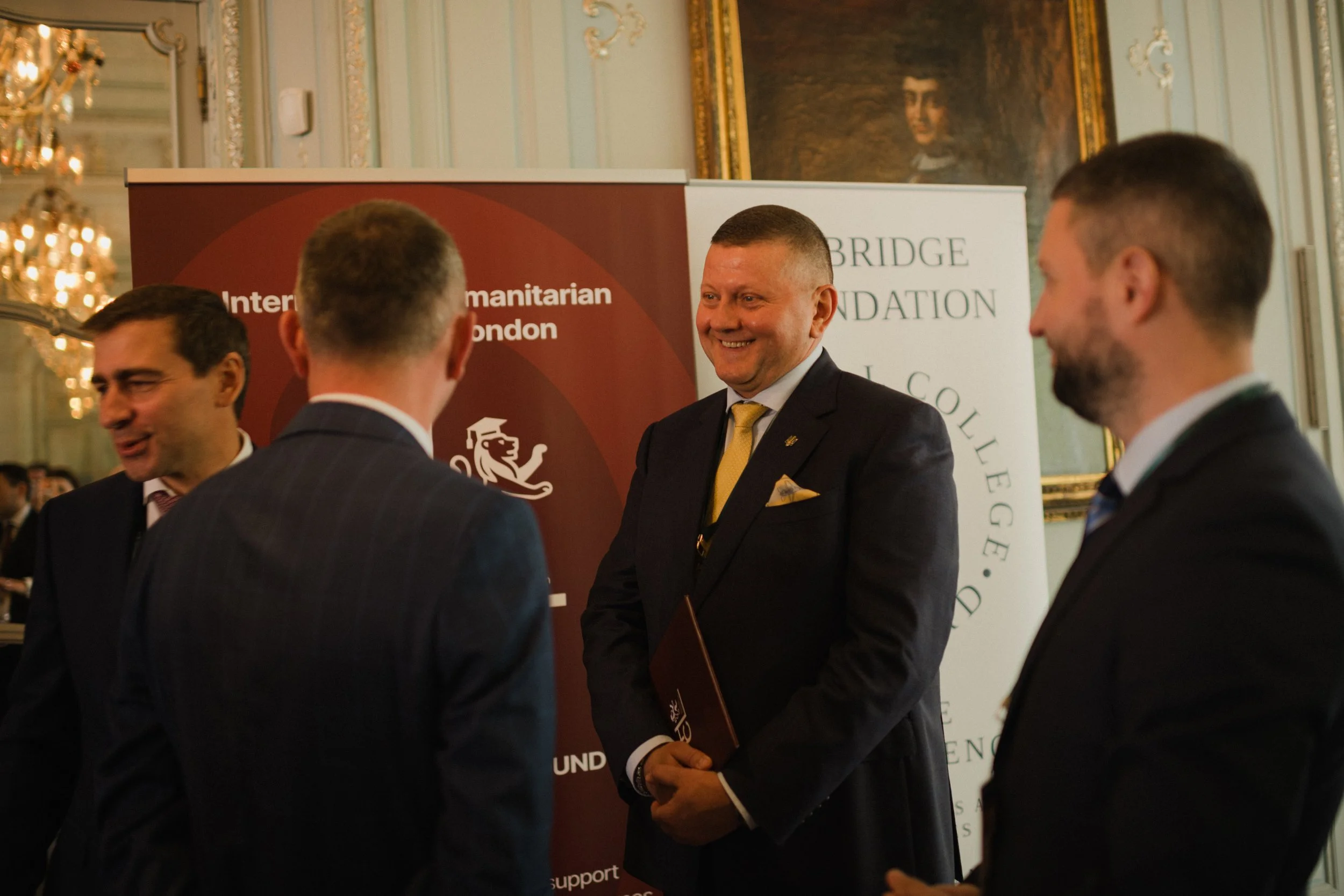
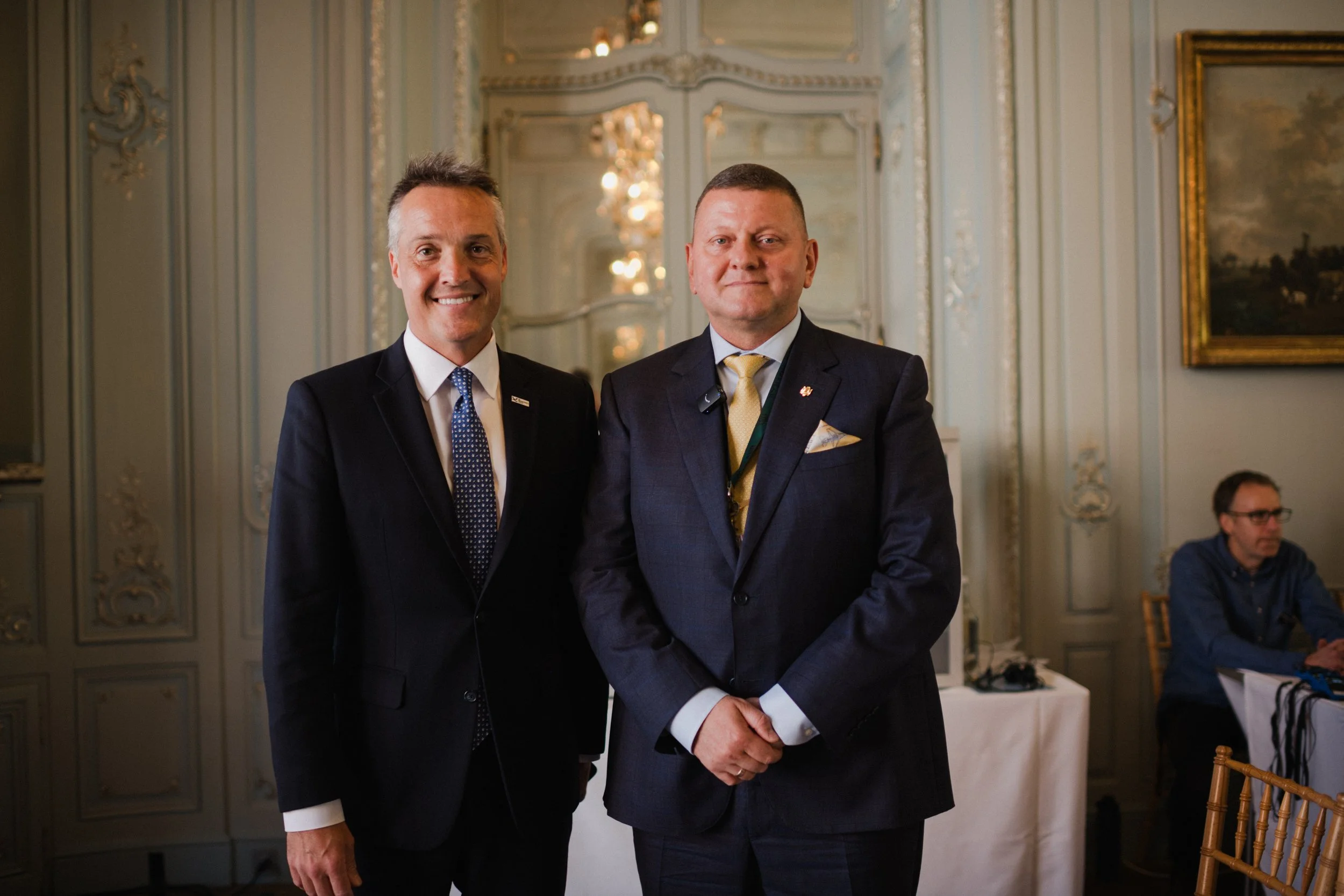
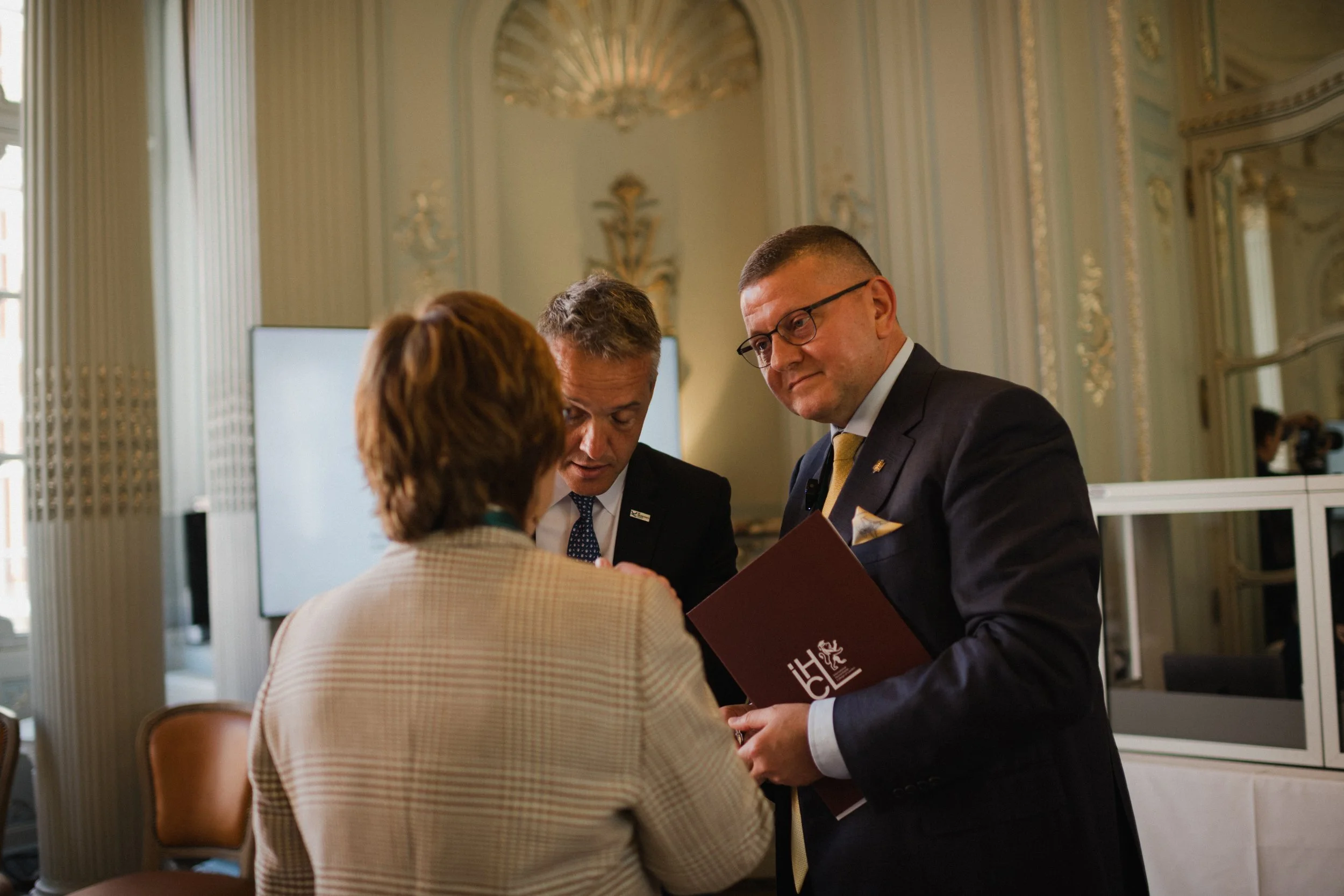
H.E. General Valerii Zaluzhnyi, Ambassador Extraordinary and Plenipotentiary of Ukraine to the United Kingdom of Great Britain and Northern Ireland and Stephen Clarke, Trustee & Co-Founder of Oxbridge Foundation Oxbridge Foundation, Principal of Cherwell College Oxford
Four Panels. One Logic
Panel I Policy, Regulation, and the Global Threat Landscape
Alongside Zaluzhnyi were Geraint Evans (CEO, UK Major Ports Group), Serhii Hronskyi (Ukrport), Dmytro Petrenko (former head of the State Maritime Administration of Ukraine). Moderator: Stephen Clarke.
Conclusion: Existing regulatory frameworks are hopelessly outdated, leaving critical infrastructure vulnerable.
Panel II Integrated Security Solutions (PORTS™️)
LAVR UK team presented an integrated concept for protecting critical infrastructure in physical, digital and cyber domains. LAVR UK agree to develop joint boot camps and courses based on PORTS™️ aimed at training officials involved in managing port infrastructure.
Panel III Industry and Implementation
Moderator: Sean Murphy (Cherwell College Oxford). Participants: Oleksandr Kubrakov (former Deputy Prime Minister of Ukraine for Reconstruction), Yaroslav Moshkola (Deputy Representative of Ukraine at the IMO), Tomas Alexa (Ambrey), Michael Dodds (Haskoning). Regulatory fragmentation, blurred responsibilities between public and private sectors and the unpreparedness of small ports - these challenges are universal.
Panelists emphasized that Ukraine’s operational experience should form the basis for future international standards.
Panel IV Professional Training of Specialists (AI, Cybersecurity, and Innovation)
Moderator: Simon Graham (De Courcy Alexander). Participants: Jack MacDonald (Laurus Education), Dr. Serhii Kosianenko (IHCL), Helen Clarke and Stephen Clarke (Oxbridge Foundation). The key discussion point was the preparation of personnel for building and maintaining the new security architecture of port infrastructure. There is currently a critical shortage of qualified specialists.
Experts highlighted the importance of the concept of "sea blindness" - the systematic undervaluation of the role of maritime infrastructure in national and global security
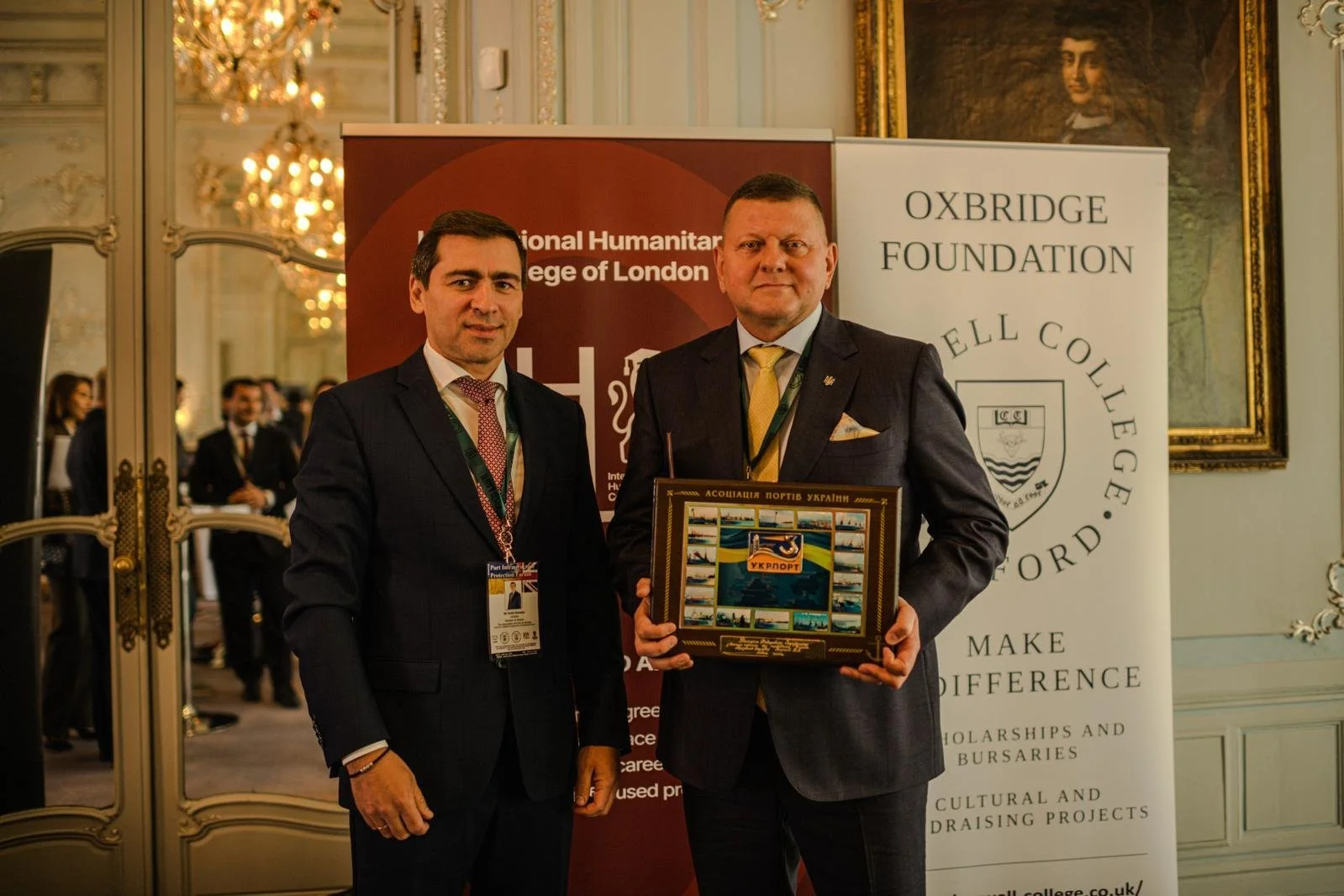
Serhii Hronskyi, Representative
Ukrport (Ukrainian Ports Association) and H.E. General Valerii Zaluzhnyi,
Ambassador Extraordinary and Plenipotentiary of Ukraine to the United Kingdom of Great Britain and Northern Ireland
People Are the Infrastructure
The most powerful argument of the forum emerged in the last panel. “Without peopl who are aware, prepared, trained and ready to act - no system can scale or be resilient,” noted Helen Clarke from the Oxbridge Foundation.
Europe is experiencing one of the largest population displacements in decades.
Millions of Ukrainians live in the UK and across the European continent.
Many are employed but significantly below their qualification levels.
Over a billion pounds spent annually on support programs.
“This is not a question of costs. It’s about matching people who are already here with the real opportunities in the economy,” explained Jack MacDonald from Laurus.
The system currently in place was built for emergency response. It has served its purpose but was never designed for long-term results. It represents a waiting zone—not a path forward.
“The conversation has already changed. The question is no longer how to support people. It is about how to move them forward,” Dr Kasianenko emphasised.
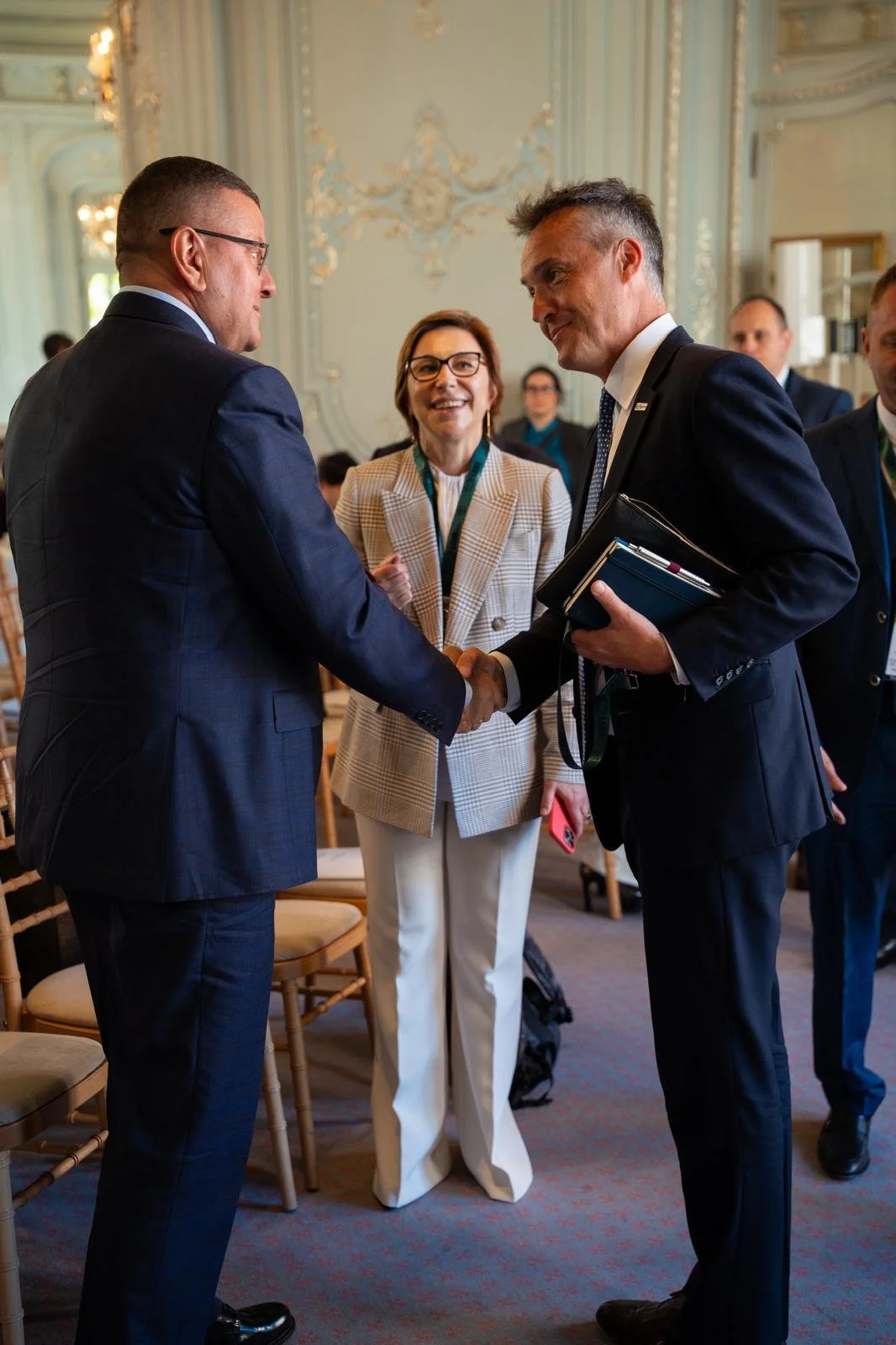
H.E. General Valerii Zaluzhnyi,
Ambassador Extraordinary and Plenipotentiary of Ukraine to the United Kingdom of Great Britain and Northern Ireland, Helen Clarke, Oxbridge Foundation and Geraint Evans,
Chief Executive Officer, UK Major Ports Group.
Oxbridge Foundation: From Forum to Action
Oxbridge Foundation participation in the forum is a logical continuation of the mission the organisation has pursued for several years.
Innovative boot camps in Oxford offer a space where students from quantum chemistry, cybersecurity, law and business learn together. Alongside them are Ukrainian participants. This is where Ukrainian strengths emerge, noted Helen Clarke: Ukrainian students and young professionals - those who studied and adapted amid a full-scale war - demonstrate exceptional resilience, quick thinking and the ability to act amid uncertainty.
“These are not soft skills. This is a competitive advantage: this mindset is what industry needs today,” stated Helen Clarke, Oxbridge Foundation.
Boot camps have already demonstrated that when disciplines and experiences mix, when a physicist, a lawyer and someone who has survived a cyberattack on their home city sit next to each othe, solutions emerge that do not appear in classrooms during peacetime.
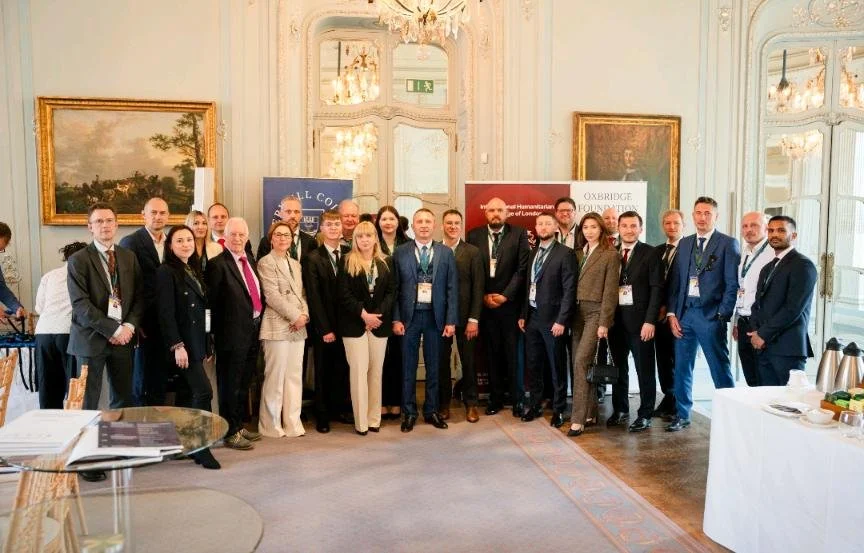
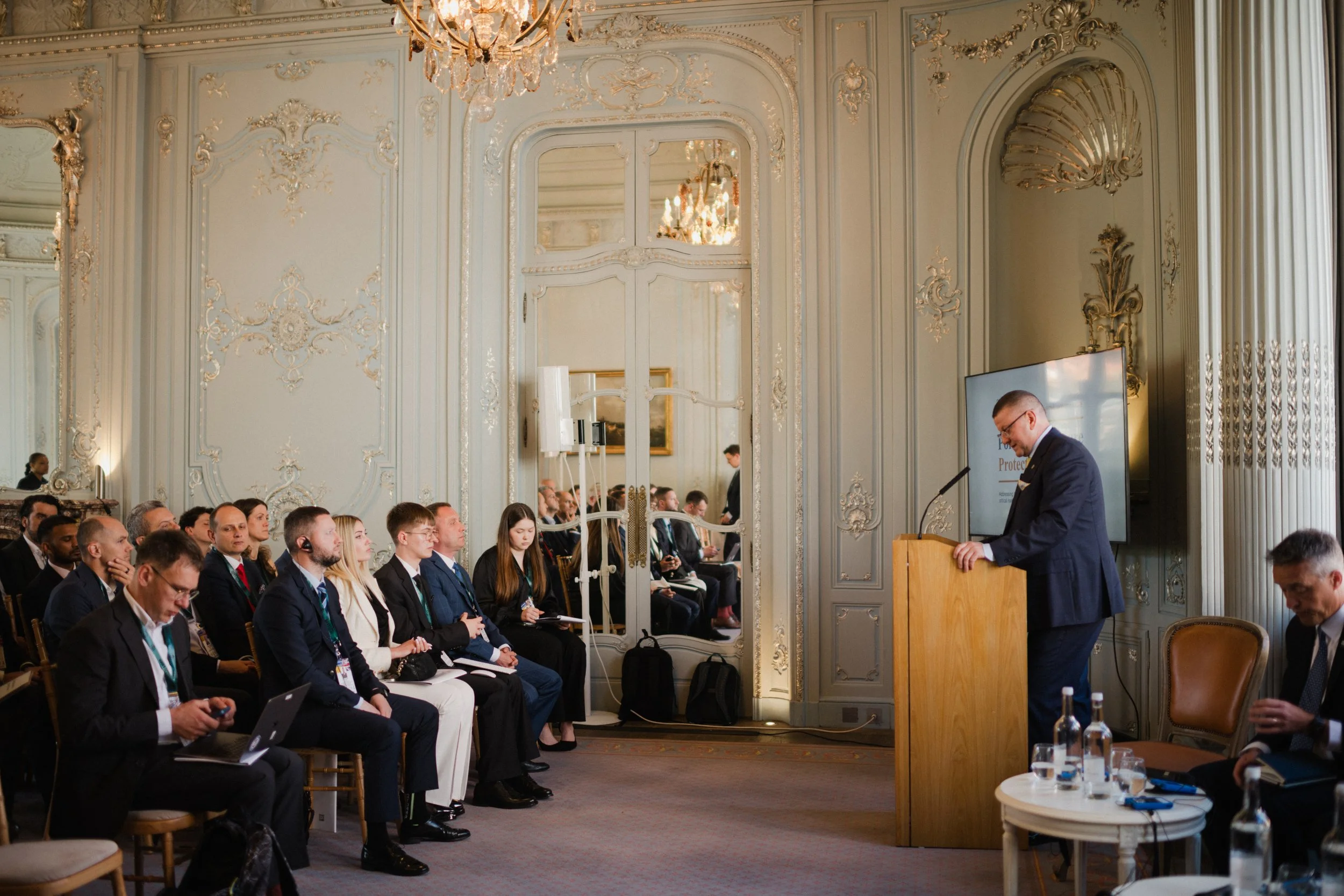
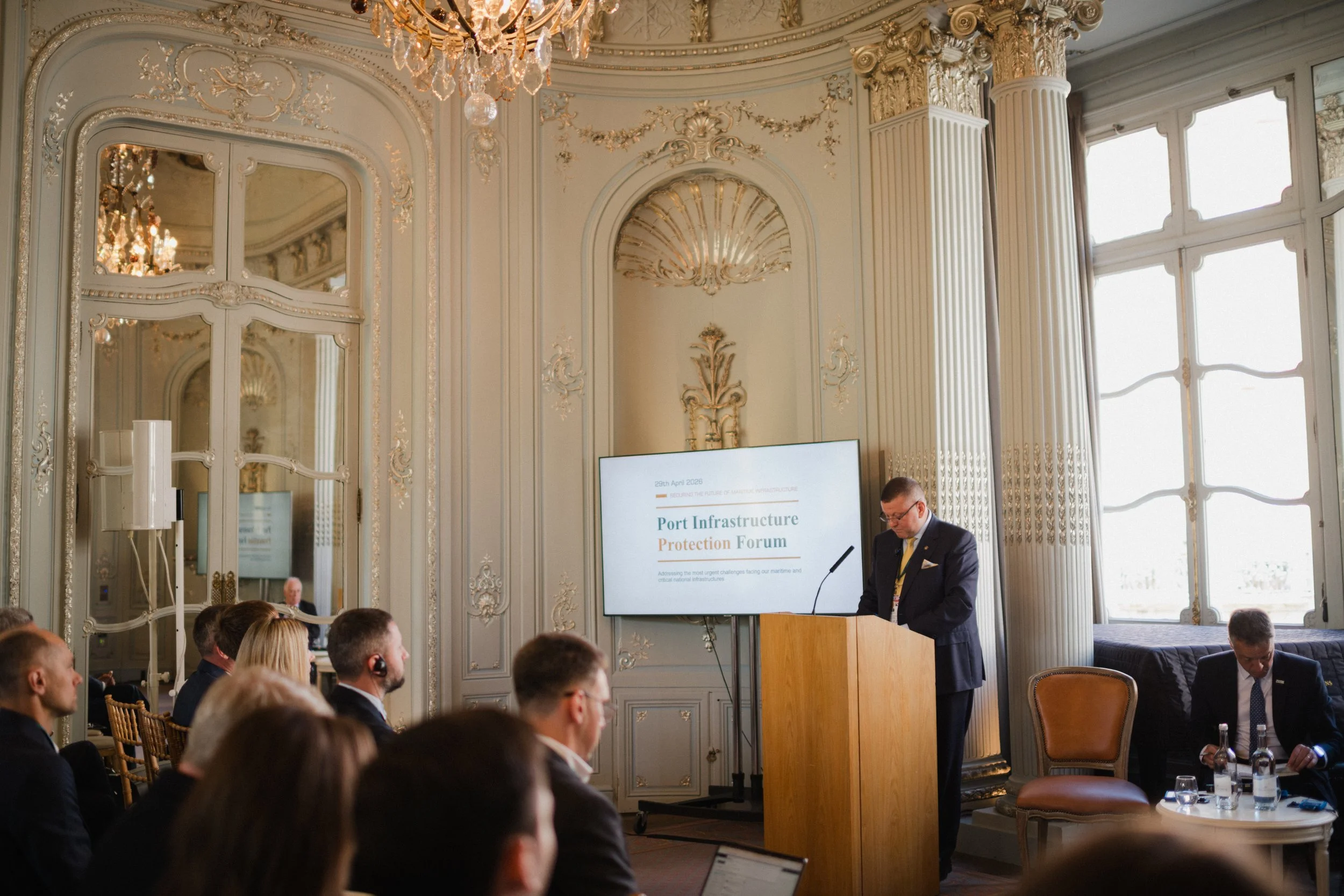
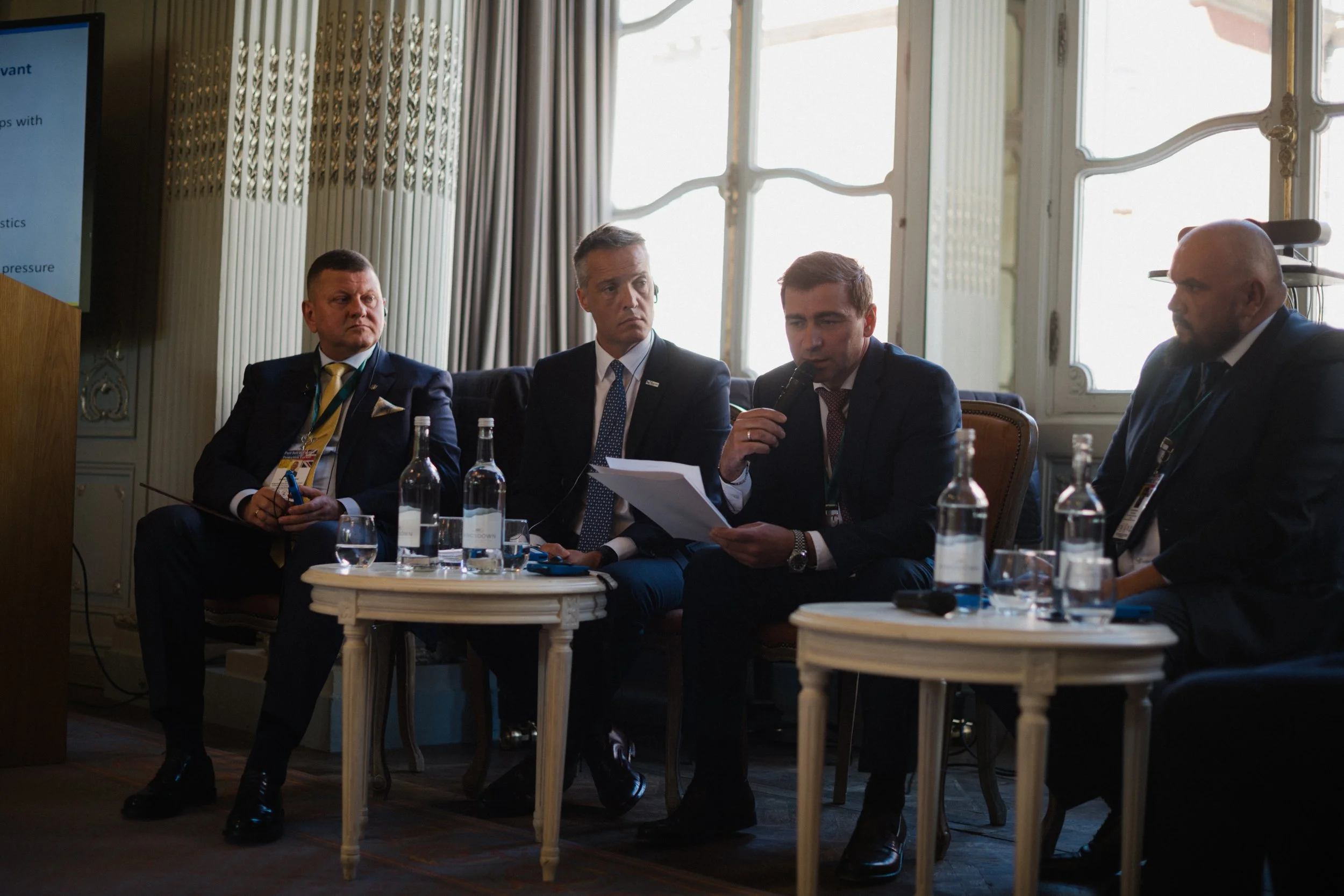
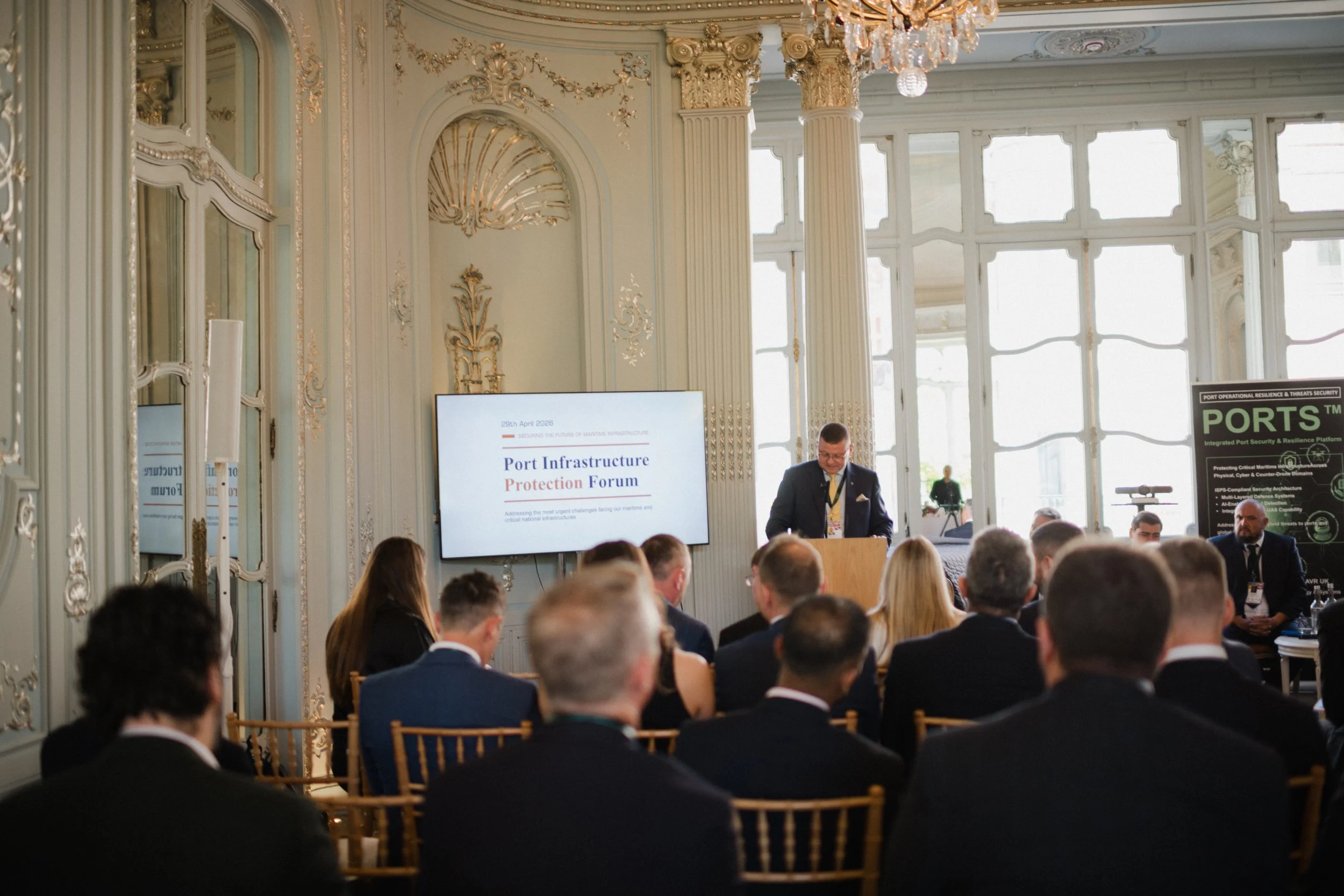
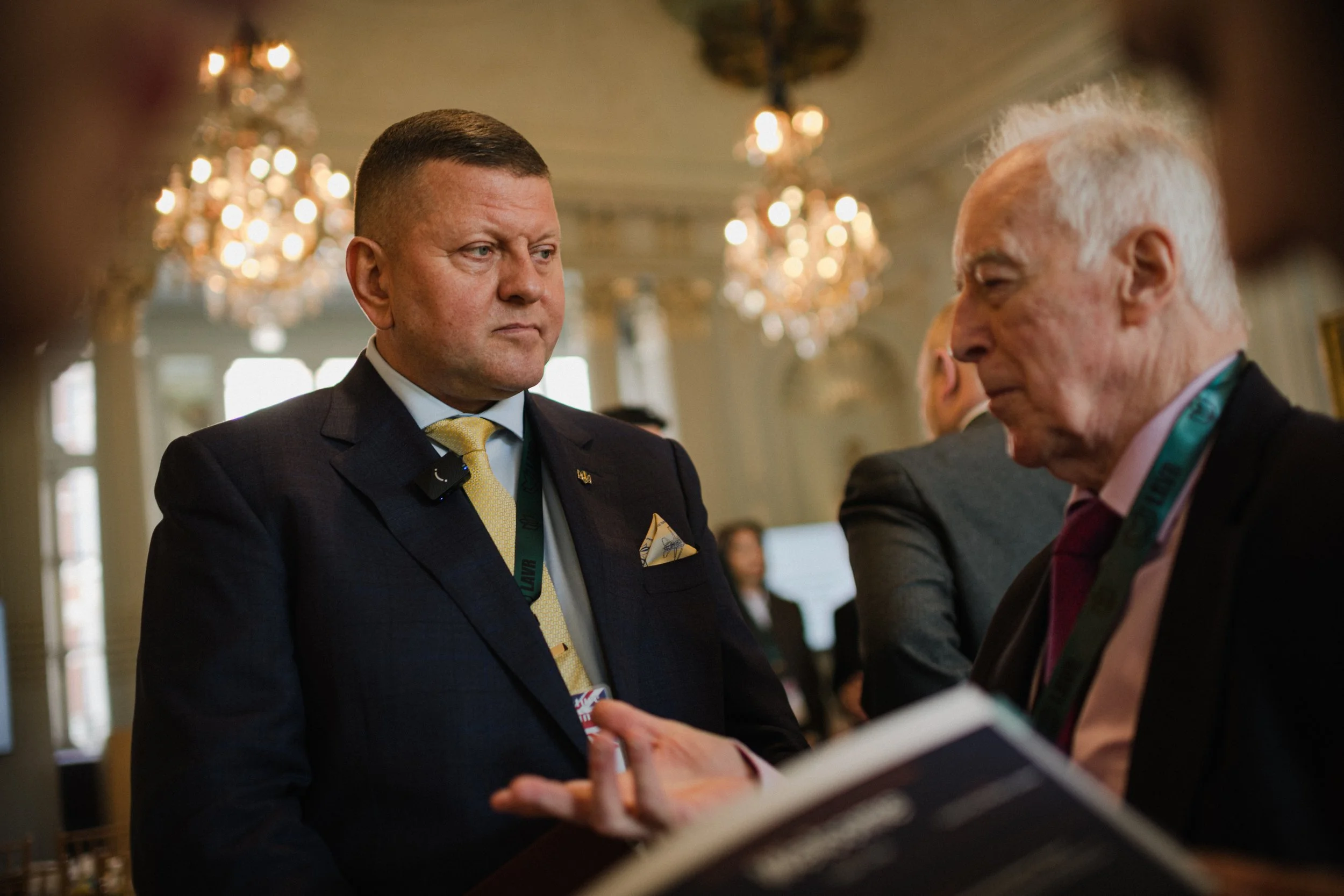
Participants of The Port Infrastructure Protection Forum
Investment that Pays Back Twice
“We are reaching out to companies and industry partners with a specific proposal” said Helen Clarke.
“Invest in developing Oxbridge Foundation boot camps, which will incorporate appropriate modules of “PORTS”
Provide mentors and become part of training a new generation of specialists: those who learn at the intersection of British and Ukrainian experiences.
They will be the ambassadors of British-Ukrainian projects in infrastructure and investment post-war recovery in Ukraine.”
What will you gain in return?
As Ukraine's recovery accelerates - it has already begun - you will need people who understand the Ukrainian mentality, speak English fluently and are familiar with British business culture.
These specialists will become ambassadors of British business in Ukraine: to lead joint projects in infrastructure recovery, attract investments and build partnerships - both from the British and Ukrainian sides.
“We are building the human resources needed for Ukraine's recovery and for the development of the UK at a modern and secure level,” concluded Stephen Clarke.
“This is not charity; it is a strategic human capital investment with measurable returns.”
The Port Infrastructure Protection Forum demonstrated that port security is not just a matter of technology and regulations. It is about people, readiness and partnership.
Oxbridge Foundation stands at this intersection and ready for the vital next step
Photos courtesy of the Embassy of Ukraine in the United Kingdom of Great Britain and Northern Ireland.
Media Review:
Port Infrastructure Protection Forum in the Ukrainian Press
-
![]()
Headline: "Zaluzhnyi: There is no longer a need to defeat the enemy in a 'classical' war — it is enough to make their economic activity too costly"
Key points:
Terminals and ports worldwide have become permanently and potentially vulnerable
Protection requires affordable and reliable solutions
Three steps: recognise the threat → rethink globalisation → adapt quickly
Key quote — Valerii Zaluzhnyi:
"Either you pay for your own economy, or you become part of someone else's"
-
![]()
Headline: "Zaluzhnyi: Today, defeating the enemy simply requires making their economic activity too costly"
Key points:
Modern air defence systems are unable to protect against mass attacks by hundreds of drones simultaneously
The concentration of port infrastructure — a consequence of globalisation — has become its primary vulnerability
Decentralisation, redundancy, and dispersal are necessary but costly solutions
Replacing outdated rules requires not only political will, but also a clear position from international bodies
Key quote — Valerii Zaluzhnyi:
"Today, there is no need to defeat the enemy in a 'classical' war. It is enough to make their economic activity too risky and too costly"
-
![]()
Headline: "Valerii Zaluzhnyi: 'Either you pay for the resilience of your economy, or you become part of someone else's'"
Key points:
A new philosophy of global security: protecting ports is a matter of the world economy's survival
Cheap weapons versus expensive infrastructure — the critical imbalance of modern warfare
Security demands unpopular steps: decentralisation and the creation of redundant capacity
Ukraine is ready to share its unique operational experience with allies
Key quote — Valerii Zaluzhnyi:
"Current air defence systems are often unable to protect against mass attacks — for example, from several hundred Shaheds striking simultaneously. Key nodes — terminals, ports, factories — have become permanently vulnerable"
-
![]()
Headline: "The Economy as a Target: Zaluzhnyi on the New Strategy of Wars"
Subheadline: "Modern warfare makes infrastructure the primary target for low-cost strike systems"
Key points:
The question of port protection is critical not only for Ukraine, but for the entire world
Expensive missiles have been replaced by cheap drones — this fundamentally changes the logic of war
The economy must adapt not only at the national level, but at the international level as well
Key quote — Valerii Zaluzhnyi:
"In today's reality, this question is critical not only for Ukraine, but for the entire world. At the same time, the cost of strategic strikes has become cheap"
-
![]()
Headline: "Ukraine's Experience in Port Protection Presented at International Forum in London"
Key points:
The Forum was dedicated to consolidating efforts in maritime sector security in the face of hybrid threats
Participants discussed gaps in international regulation, cyber defence, countering hybrid threats, and workforce training
Ukrainian ports continue to support export logistics and global food security despite wartime risks
Ukrport presented Zaluzhnyi with a commemorative plaque in recognition of his support for Ukraine's maritime sector at the international level
Key quote — Serhii Hronskyi, Member of the Council of the Ukrainian Ports Association "Ukrport":
"Ukrainian seaports continue to play a key role in supporting export logistics and global food security”