Human Values — The Most Enduring Infrastructure
Text: Helen Clarke, Co-Founder, Oxbridge Foundation

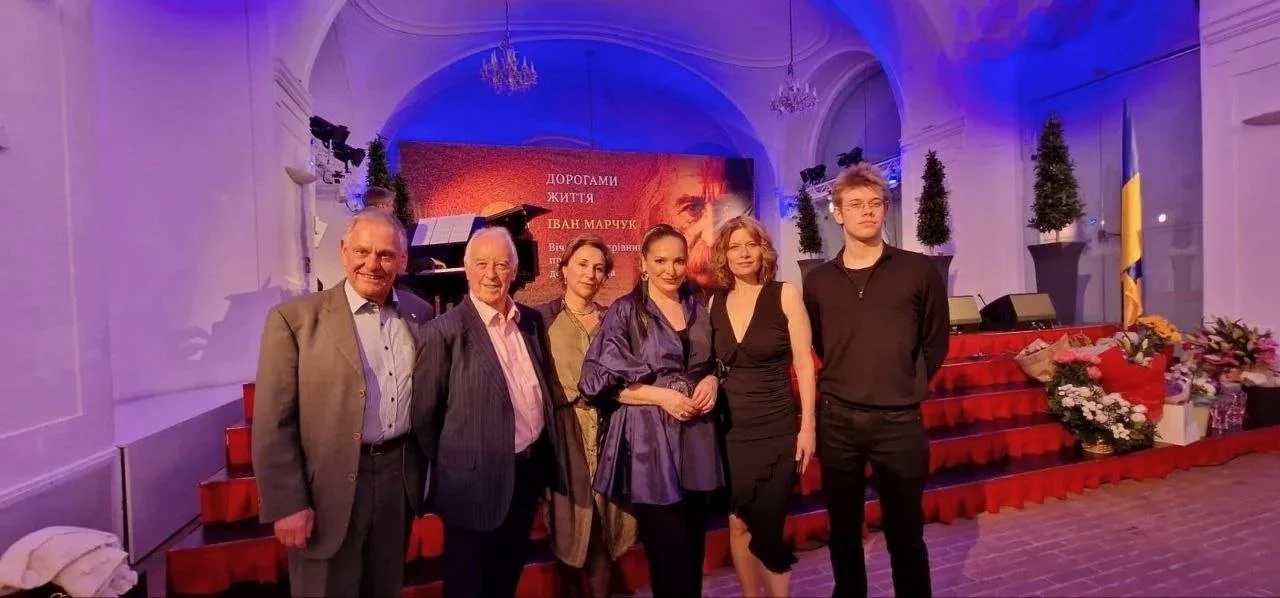
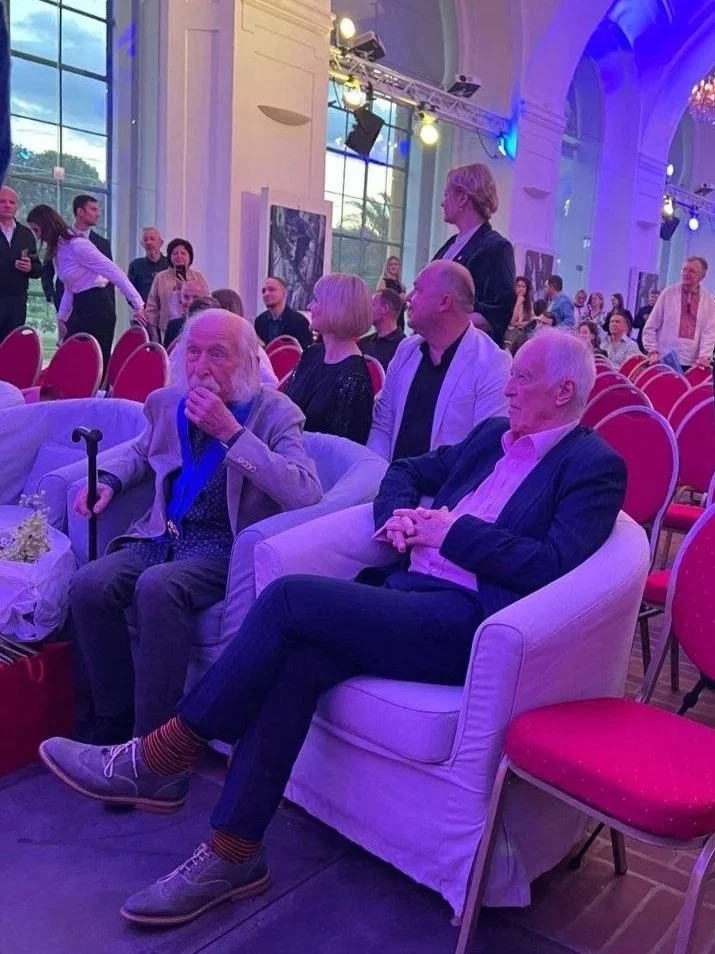
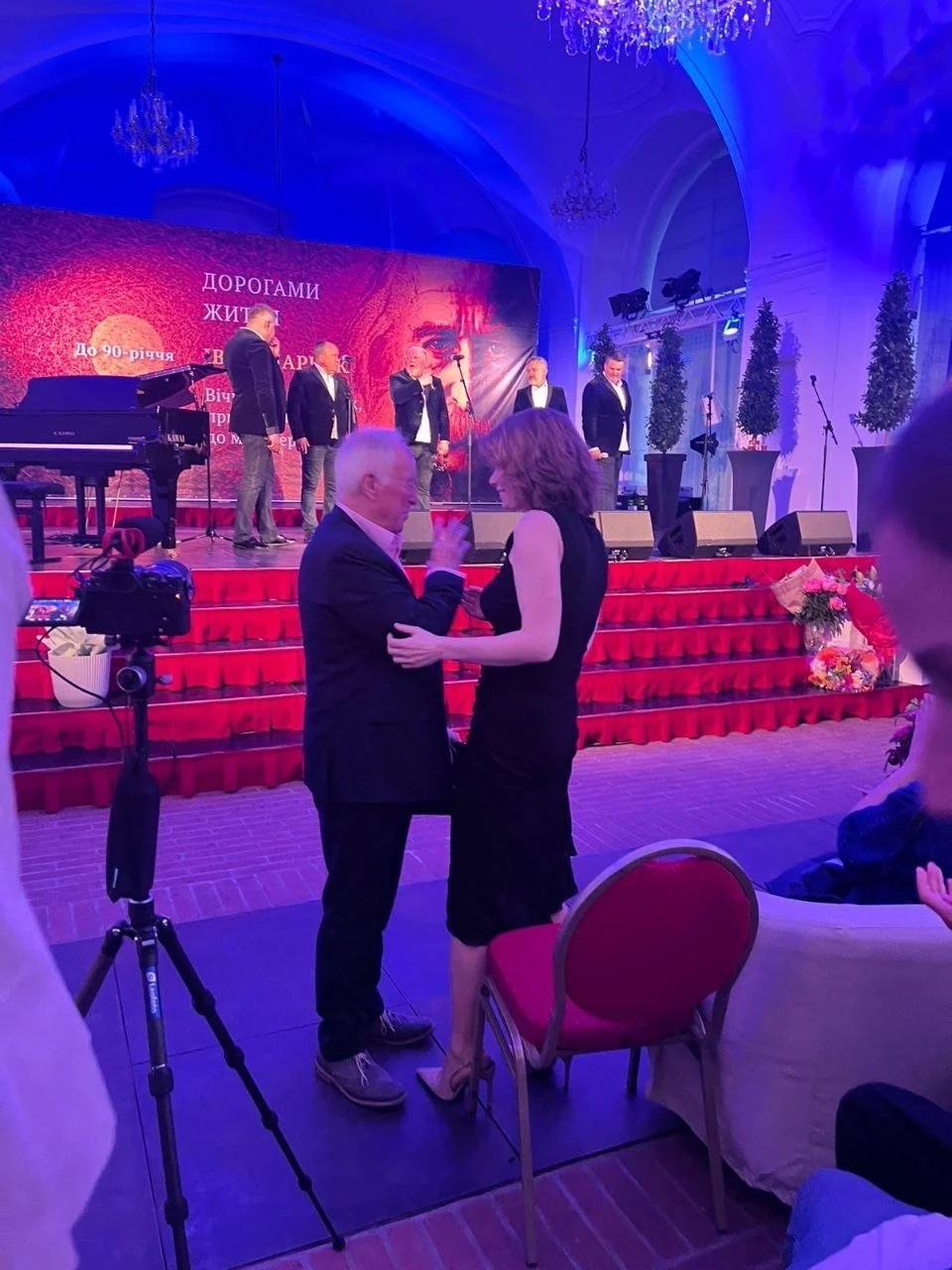
12th of May 2026, world-renowned Ukrainian painter Ivan Marchuk turned 90. The celebration took place in Vienna — the city where he has lived since the beginning of the full-scale invasion, and where over these years he has created nearly two hundred new canvases. People's Artist of Ukraine, laureate of the Shevchenko National Prize, founder of the pliontanism technique, a man whom The Daily Telegraph named amongst the hundred living geniuses of the world — and a Fellow of the Oxbridge Foundation. That last distinction is one of the greatest honours our Foundation has ever held.
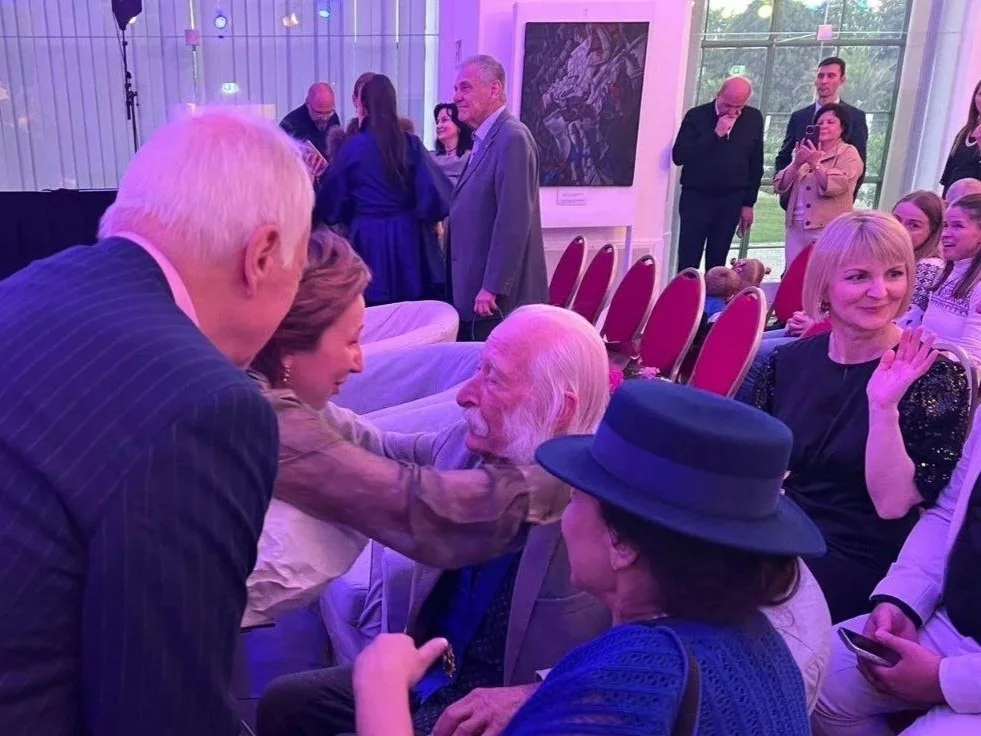
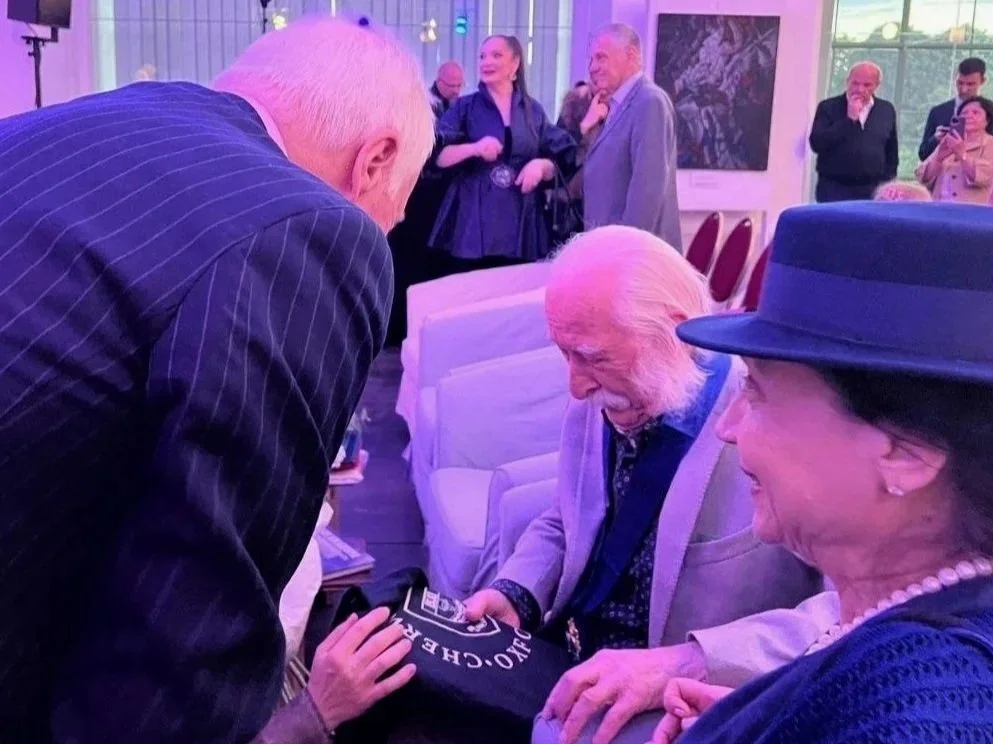
That evening, he stayed with his guests until the very end, until half past ten. Long after the security staff had begun to hint that it was time to close, he was still talking with people, with each one of them, unhurried. Stephen and I were there. As I watched him that evening, I was not thinking about accolades or auction records. I was thinking: I know this family. I know where this comes from.
Ukraine. War. Oxford, 2022
Bogdana Pivnenko is Ivan Marchuk's daughter — a violinist whom journalists have dubbed "the Ukrainian Paganini in a skirt," a People's Artist of Ukraine and laureate of the 2025 Shevchenko National Prize. She followed in her father's footsteps: he received that honour in 1997. She did so twenty-eight years later. As a producer, she recorded a twelve-disc Anthology of Contemporary Ukrainian Music — and adorned it with her father's paintings.
But I did not meet her as the daughter of a great artist. I met her as someone who came to Oxford in the first months of the war.
At that time, we did not yet have the Foundation in its current form. We began doing what we could. Together with women from Ukraine and Oxford, we organised Ukrainian Cultural Weeks. We hired the Sheldonian Theatre and put together a week of eighteen events. We had fifty-five places in the accommodation, and we housed forty-six musicians — they lived alongside us, literally within our walls. Valentyn Silvestrov came. Artists, composers, musicians arrived. To many around us, it looked like complete madness. To me, it felt entirely natural. I grew up in a family of musicians.
The Sheldonian was full — some seven hundred and fifty people. At one point, Stephen turned to the audience:
"Right now, you are enjoying the music of these extraordinary people. Tomorrow, they will return to a country at war. That is why we are obliged to do everything in our power — to support the Ukrainian people and bring these sufferings to an end as quickly as possible."
People began to rise from their seats. Some left money. Others simply stood in silence. It was one of those moments that cannot be planned — and yet it is precisely those moments that stay with you forever.
Bogdana became part of all of this. We became friends — not for the sake of a project, but genuinely. Her husband, Oleg Pavlyuchenkov, a film director who had made a documentary about Marchuk — that is, in fact, how they met — became a separately important figure in this story. Conversations with him were the kind that change the way you think. About why wars happen. About how to ensure that evil does not repeat itself through generations.
Between Airports — Between the System and Human Kindness
Then we came to the United States, UC Berkeley, meetings, start-ups and, simultaneously, complete chaos. There were three of us: myself, Stephen, and Oleg Pavlyuchenkov. A rucksack containing our documents was stolen. We found ourselves in a situation I later compared to the film The Terminal — without papers, stranded between airports and consulates, with no clear sense of what to do next.
Ordinary Americans embraced us, supported us, did everything they could. But before the system, they were powerless. The system did not see people — it saw documents. Or rather, their absence.
What saved us was other people. Staff at the Ukrainian Embassy who did not brush us aside or redirect us elsewhere. Strangers who simply decided not to walk past. We flew on domestic routes, persuaded, explained, asked for help — and somehow found our way through.
It was then that I understood something with absolute clarity: in a critical moment, it is not the system that saves a person. It is other people. Their willingness not to abandon one another — even when the rules say otherwise.
Vienna. Ninety
It was through Bogdana that we came to know Ivan Marchuk and Tamara — the artist's muse, the person who is beside him in everything. At first, there was correspondence. We spoke about what we were building — bootcamps, scholarships, and why it all mattered. Gradually, a genuine human understanding took shape.
And then we were invited to Vienna. I have worked with many British institutions, public figures, and politicians over the years. But what I witnessed in Marchuk that evening was something apart. He left no one unattended — every person who approached him received his full attention.
Tamara said something that evening which has stayed with me:
"These are living people, helping one another in a living way."
I believe that is the most precise description of everything we have been through together over these years.
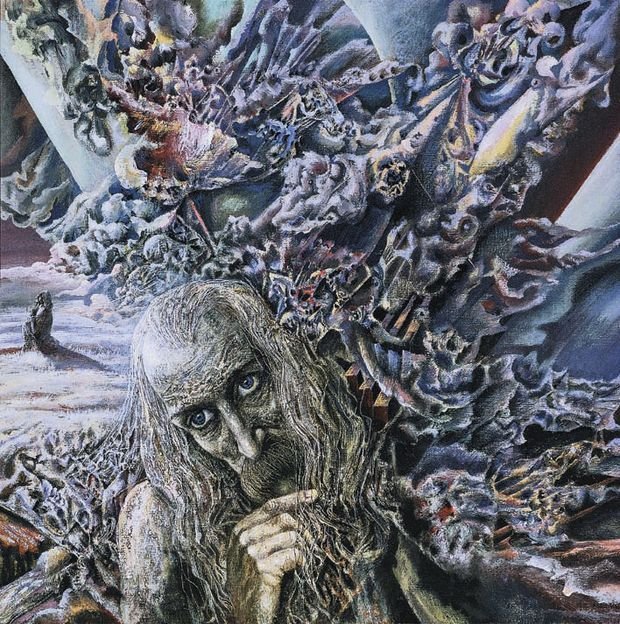
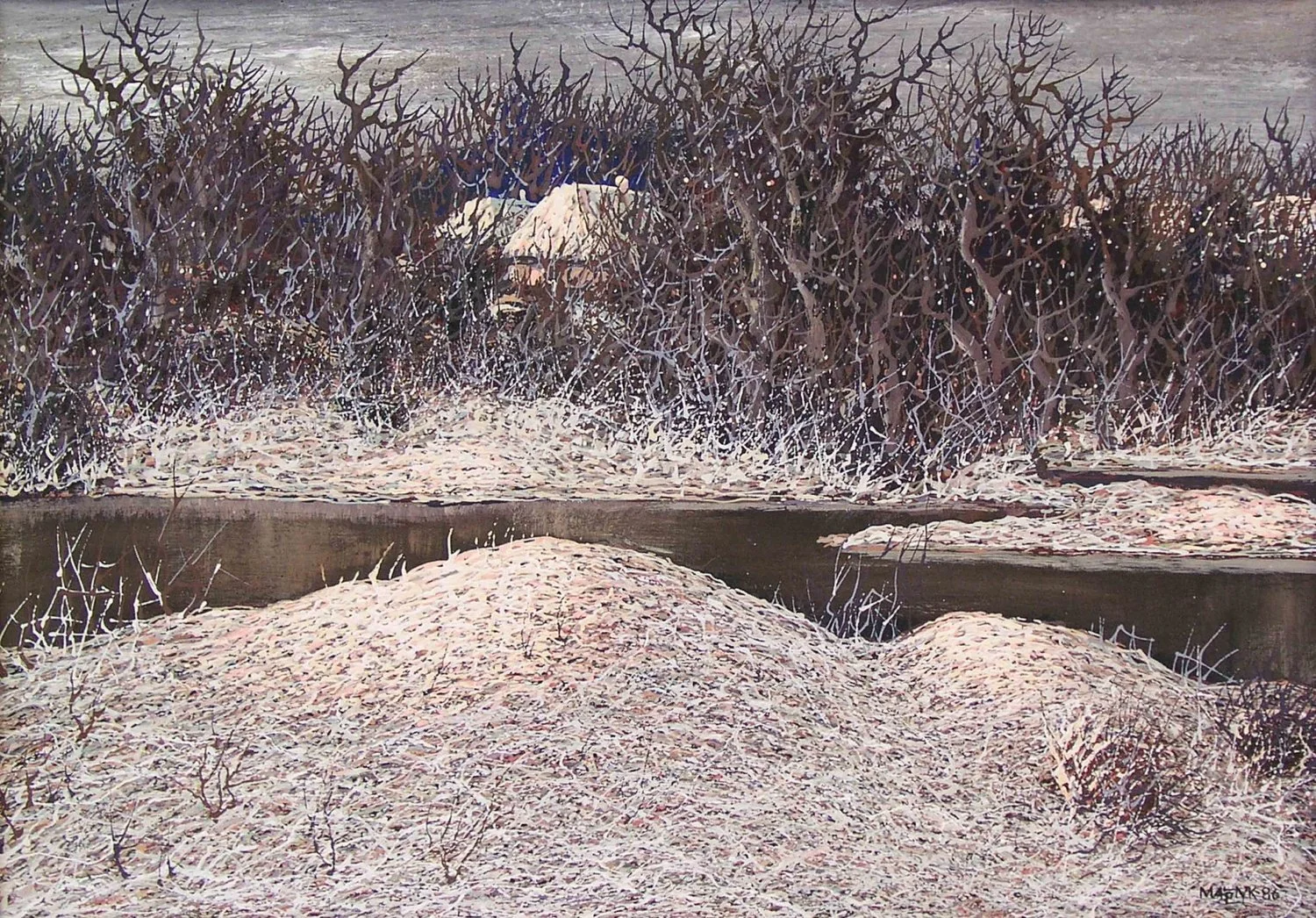
As a gesture of gratitude for the care shown to his family, Ivan Marchuk gifted me several of his paintings. They are now kept at the Oxbridge Foundation — and each time I look at them, I think of exactly that.
If These People Exist — There Is Hope
People like this are the greatest value we know. Not as an abstraction, but as living proof that talent, character and humanity are precisely what is worth working for.
That is why the Oxbridge Foundation bootcamps are not simply an educational format. They are a strategic investment in people who will shape the development of industries, countries and entire economies. Technologies change. Systems age. But a person with sound values, a sharp mind and the readiness to act — that person is irreplaceable. These are the people we develop: at the intersection of British and Ukrainian experience, in Oxford and Berkeley, in real conditions and with real challenges.
If these people exist, there is hope.
Invest in the people who are changing the future: their own, their company's, their industry's, and their country's.